

What is "Imabari"?
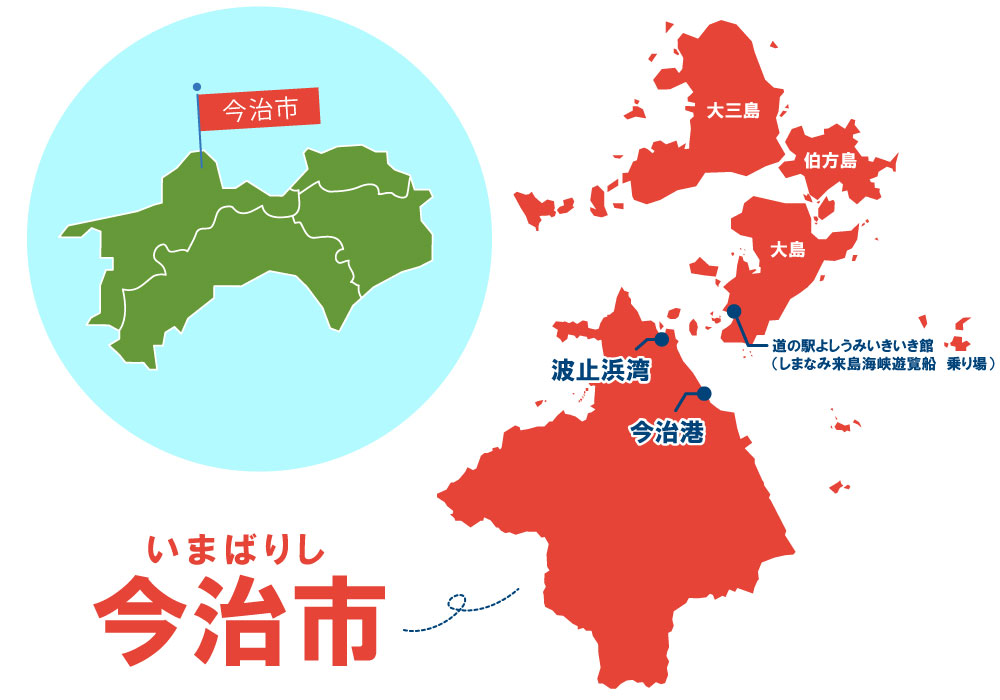
Imabari City is located in the northeastern part of Ehime Prefecture, Shikoku, almost in the center of the Seto Inland Sea. It
consists of a plain area with a central urban area, a lush mountainous area, and islands scattered in the Seto Inland Sea, and is home to approximately 140,000 people.
Known as one of Japan's leading towel-producing regions, Imabari towels are highly regarded both domestically and internationally for their high quality.
Furthermore, its location in the Seto Inland Sea, a national park, and the Shimanami Kaido, a series of magnificent bridges connecting the islands, have made it a mecca for cyclists, attracting many visitors from both within Japan and abroad.
However, Imabari City also has another, lesser-known side: it is Japan's largest maritime city.
What is a "maritime city"?
A maritime city refers to a port city where maritime industries such as shipping, shipbuilding, and marine equipment manufacturing (manufacturing of ship parts and machinery) are highly concentrated, and which serves as an economic and cultural center.
In Japan, Imabari City fits this description.
Following the municipal merger in 2005, maritime industries that were scattered throughout Imabari City and Ochi District were consolidated into a single administrative area.
As a result, it became the number one city in Japan in terms of industrial concentration and production volume, and was born as "Japan's largest maritime city," a unique hub of maritime industries unparalleled in the world. It
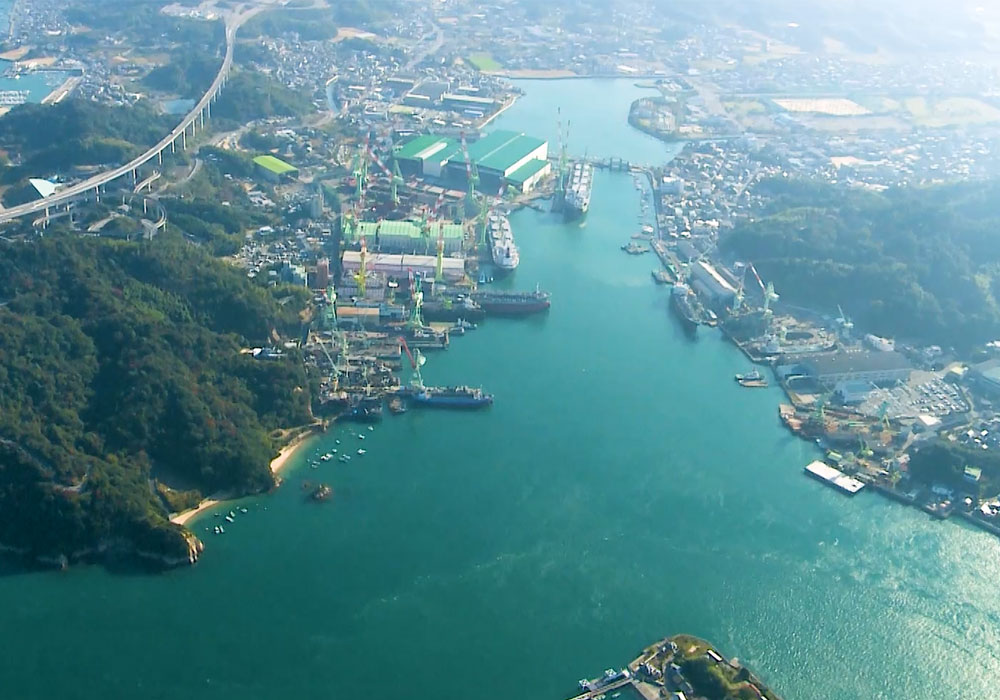
also boasts the largest number of shipyards in Japan, and in particular, the Hashihama Bay on the coast of Imabari City is home to the world-renowned "shipbuilding row houses" where numerous shipyards stand.
Ships are an important means of transportation
Japan is an island nation surrounded by the sea.
Therefore, much of what we need for our daily lives—food, energy, and other necessities—is transported by ship.
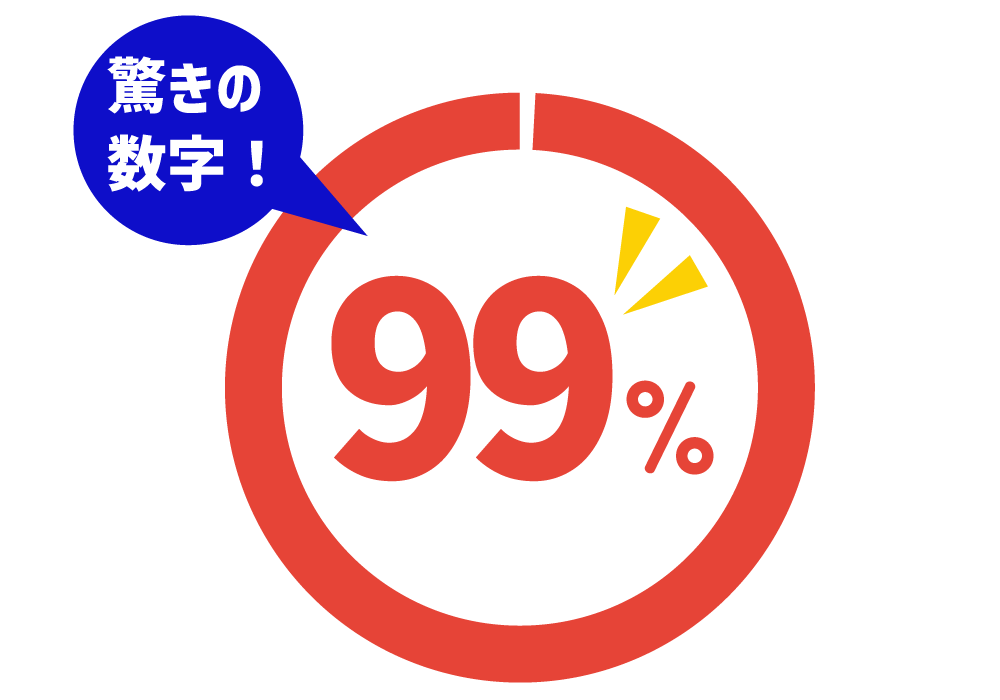
In fact,over 99% of Japan's trade with other countries is conducted by ship.
Large ships can transport large quantities of goods from distant countries at low cost, supporting our way of life.
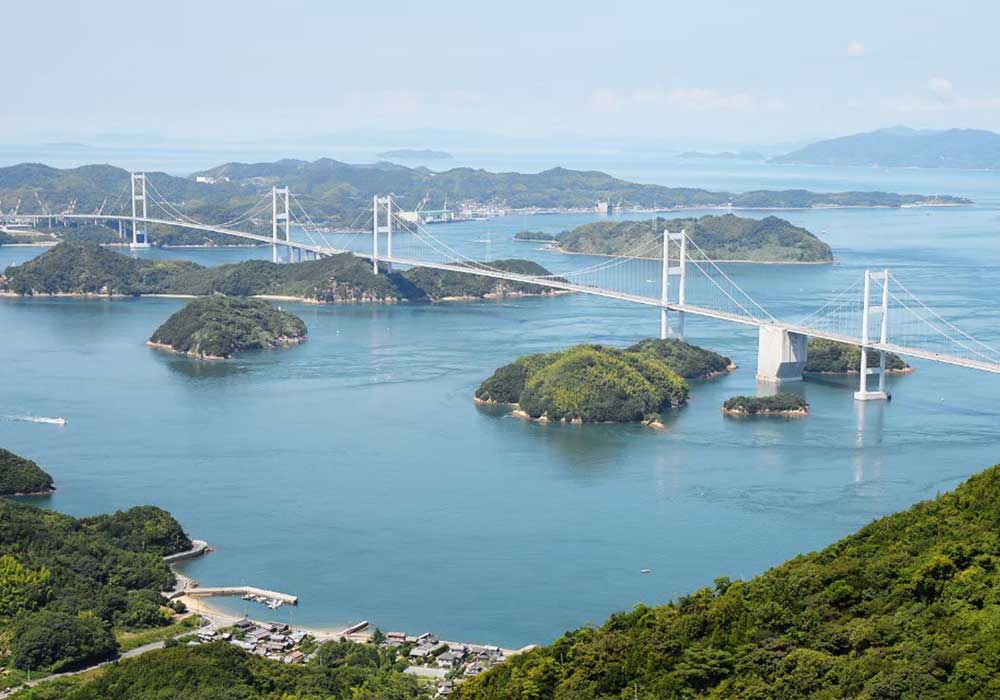
The role of Imabari, Japan's largest maritime city
Imabari boasts the largest concentration of shipbuilding facilities in Japan, with 14 establishments, and approximately 20% of all new ships in the country are built there.
Furthermore, the entire group of shipbuilding companies headquartered or with bases in Imabari City builds approximately 35% of all ships in Japan.
Imabari plays a vital role in supporting Japan's maritime transportation.
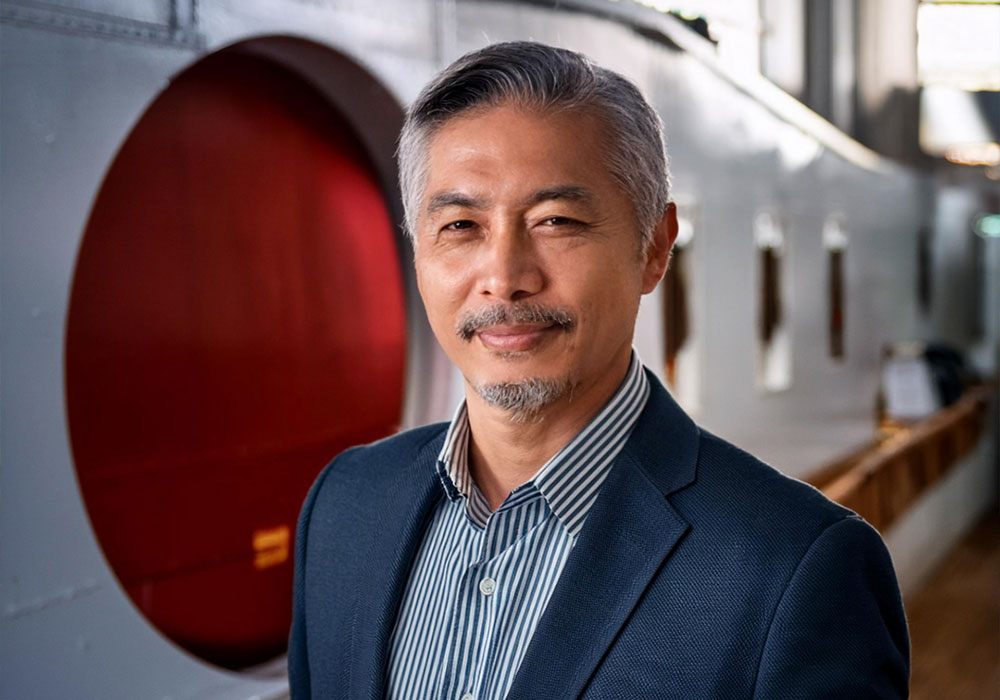
The world-famous "Imabari Owner"
Imabari is home to many people known as "Imabari Owners," who own large ships.
Their influence is world-renowned, and Imabari is known as one of the "world's four largest shipowners," alongside those in Scandinavia, Hong Kong, and Greece.
Approximately 35% of Japan's 3,977 large ocean-going vessels are owned by Imabari shipowners.
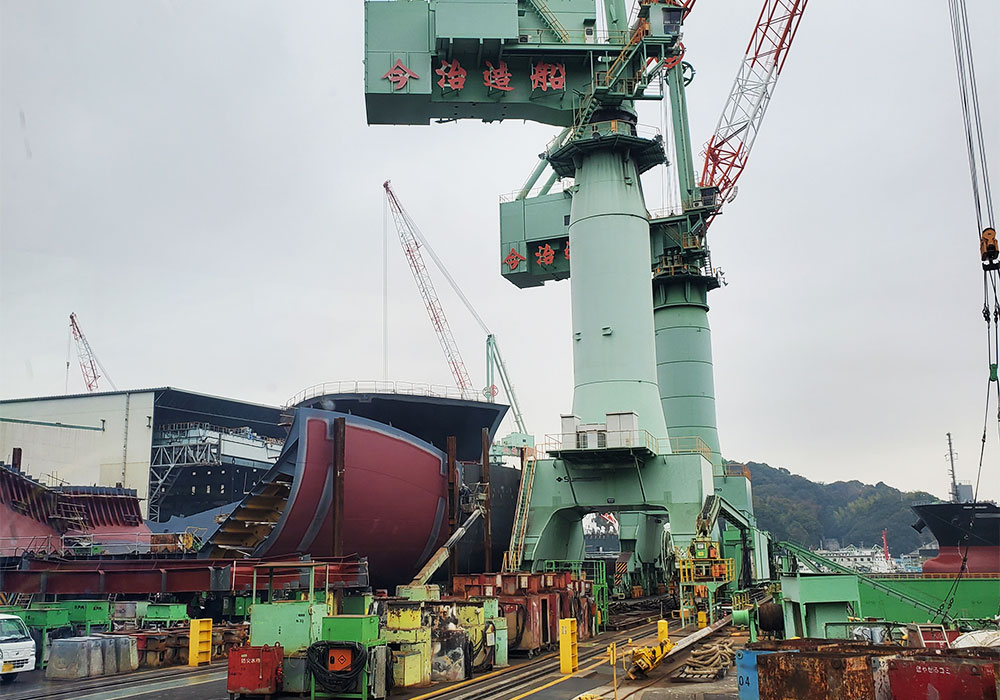
The fourth largest shipyard in the world!
Imabari is a "city of ships," boasting world-class shipbuilding technology.
Its ability to construct a wide variety of large vessels is highly regarded globally, and among them, Imabari Shipbuilding Co., Ltd. is known as the fourth largest shipbuilding company in the world, and its steel usage is the second largest in Japan, after Toyota Motor Corporation.
Imabari's shipbuilding continues to advance
In Imabari, many new technologies for shipbuilding are being developed. They are particularly skilled at creating environmentally friendly systems and safe equipment.
Every two years, a large exhibition called "Bariship" is held, attracting many people from around the world to see Imabari's new technologies.
Sea transportation
There are many different types of ships.
The type of ship used varies depending on the type of cargo being transported, and large quantities of goods are safely and efficiently transported by specialized vessels.
Many ships pass through the Kurushima Strait, which is close to Imabari, every day.
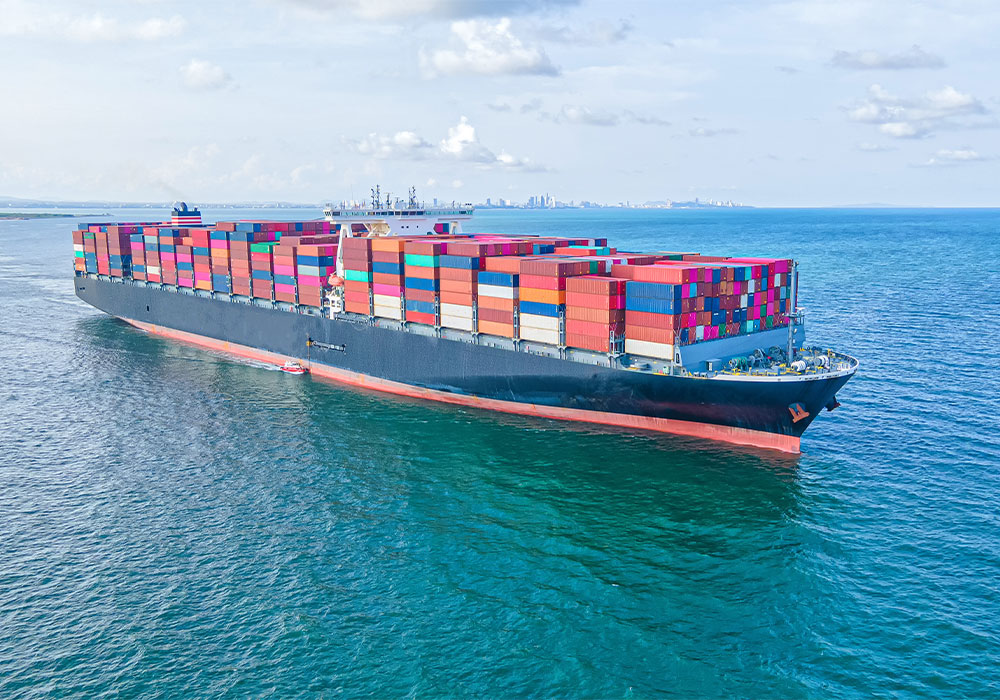
Container ship
– a ship that carries cargo –
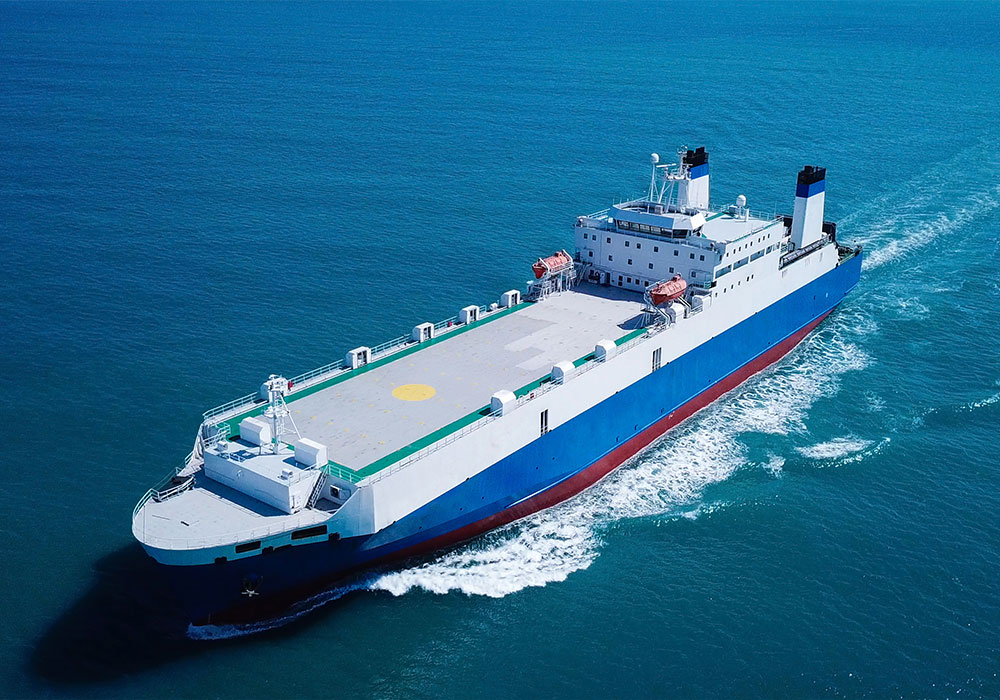
RORO ship
– a ship that transports vehicles –
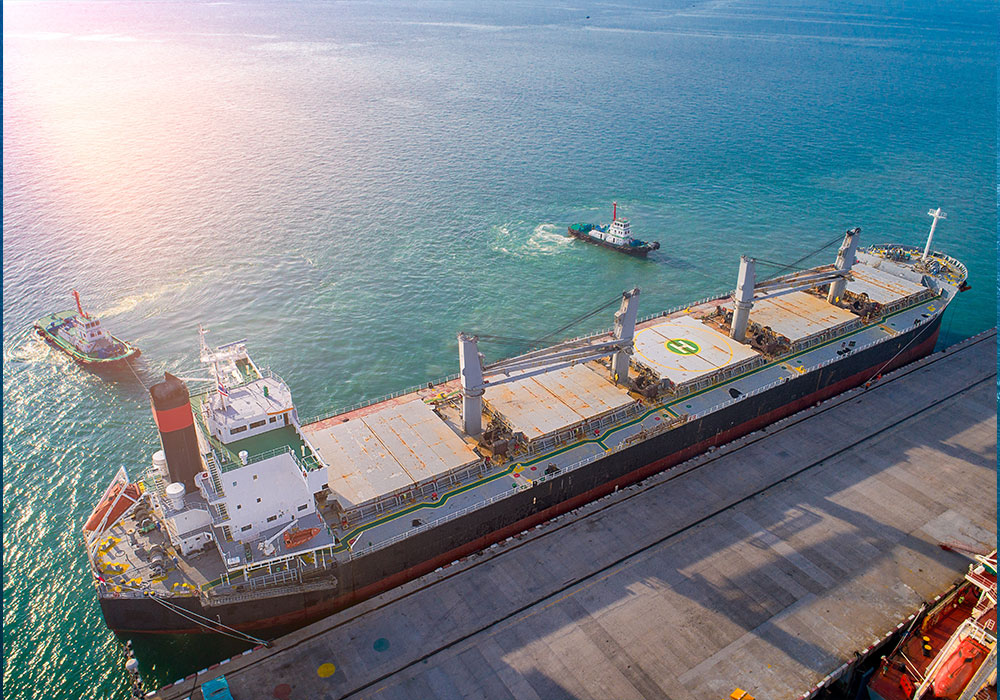
Dry bulk ship
– a ship that transports resources –
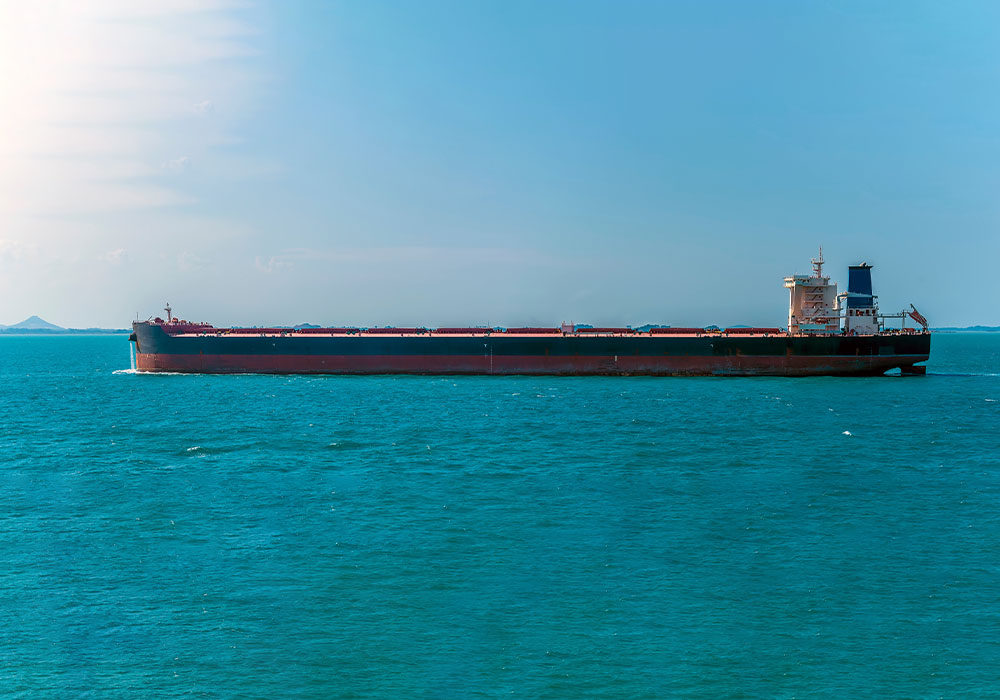
Oil tanker
– a ship that carries oil –
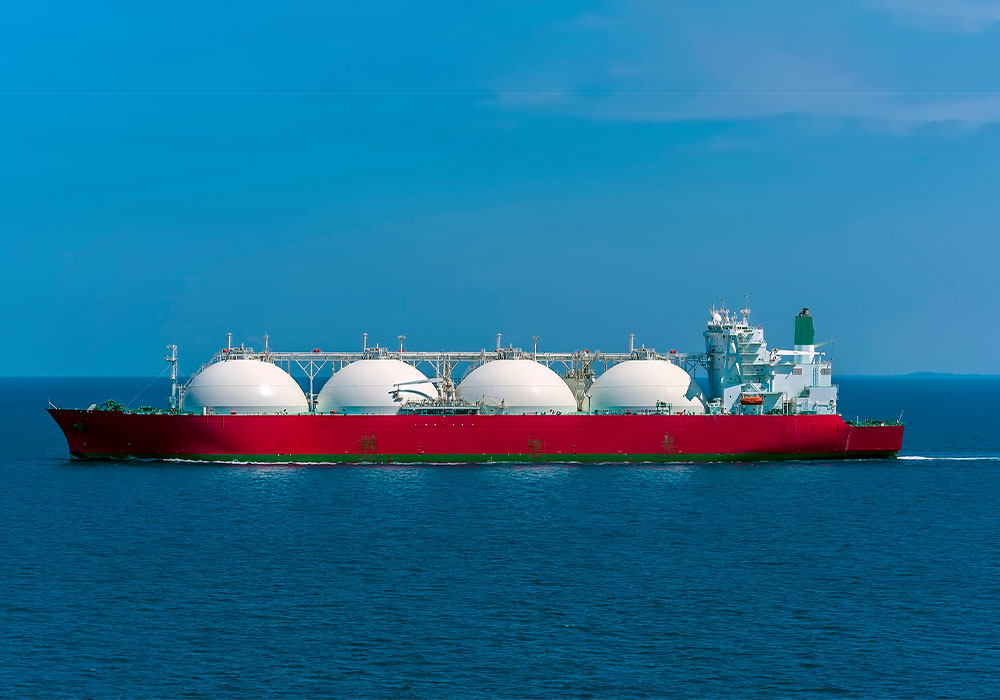
LPG and LNG carriers
– Vessels that transport liquefied petroleum gas and liquefied natural gas.
This is amazing! Ship transportation
- Can carry a lot of luggage at once
- Cheap to transport
- Can be carried far
- Efficient transport
Large ships can carry thousands of tons of cargo at once, enabling inexpensive transport to distant countries.
There are also special ships capable of carrying large containers and even entire truckloads, playing a vital role in the smooth delivery of goods worldwide.
A little inconvenient?! Ship transportation
- it takes time
- We cannot deliver items that need to be delivered urgently
- There may be delays
Ships can carry large quantities of cargo, but they take a long time to reach their destination.
For example, it takes 12 days to travel from Japan to the United States by ship, while it takes about half a day by plane.
Also, bad weather can disrupt the schedule, and port congestion can cause delays.
For these reasons, ships are not suitable for transporting fresh food or items that need to be delivered quickly.
The origins of Imabari, a maritime city
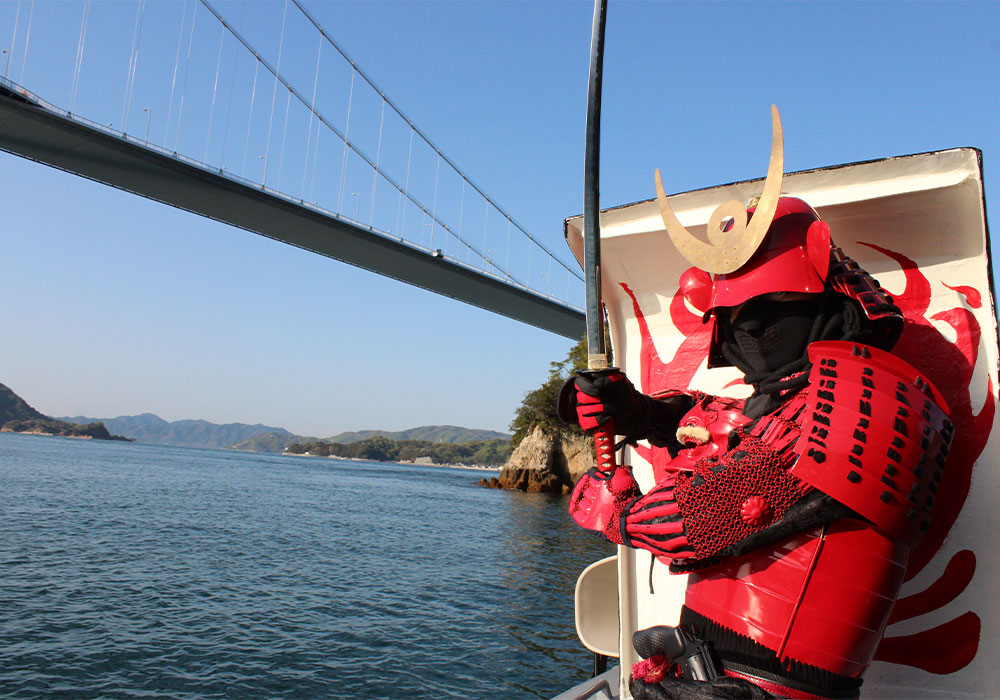
Japan's largest pirate group, the Murakami Pirates
Imabari is a town that has developed in close connection with the sea since ancient times.
In the past, the Seto Inland Sea was home to what is said to be the largest pirate group in Japan.
However, these pirates were not merely plunderers. They were intimately familiar with the strong currents of the Kurushima Strait, and acted as pilots, safely guiding sailors and maintaining order in trade and distribution in the Seto Inland Sea.
While collecting tolls as payment for safe voyages, they also engaged in various businesses, such as dealing in fresh seafood caught in the Seto Inland Sea.
This history of piracy has changed over a long period of time and has eventually been passed down to Imabari's diverse maritime industries.
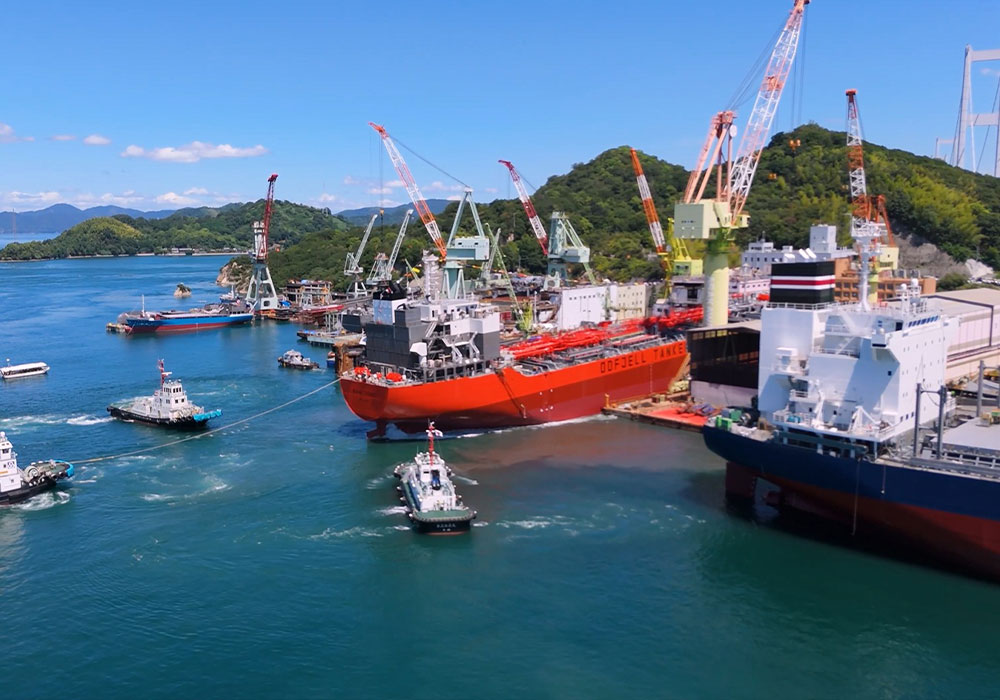
Salt production and Hashihama Bay
In the past, salt production flourished on the islands of the Seto Inland Sea, and Imabari was one of them.
In the Edo period, salt fields were built in the tidal flats of Hatohama Bay in Imabari, and it became famous as one of the leading salt-producing areas in Japan.
Also, in the Kurushima Strait, where strong winds and rough currents occur, many ships used Hatohama Bay as a port to wait for favorable tides and winds, and it played an important role as a port.
Repairs were carried out on ships while they were anchored, and eventually new ships were built there, leading to the development of the shipbuilding industry.
Taking advantage of its strategic location as a key point for maritime traffic, this bay prospered as a salt field and port town, becoming so bustling that it was called "Little Nagasaki of Iyo."
The richness of the salt fields and the advantageous location of the Kurushima Strait allowed the shipping and shipbuilding industries to take root in this area, and Imabari, Japan's leading maritime city, was born here.
Hatohama Bay is approximately 1 km long and 300 m wide. This Hamahama Bay is the birthplace of shipbuilding in Imabari.
● Maritime Safety and Kurushima Strait ●
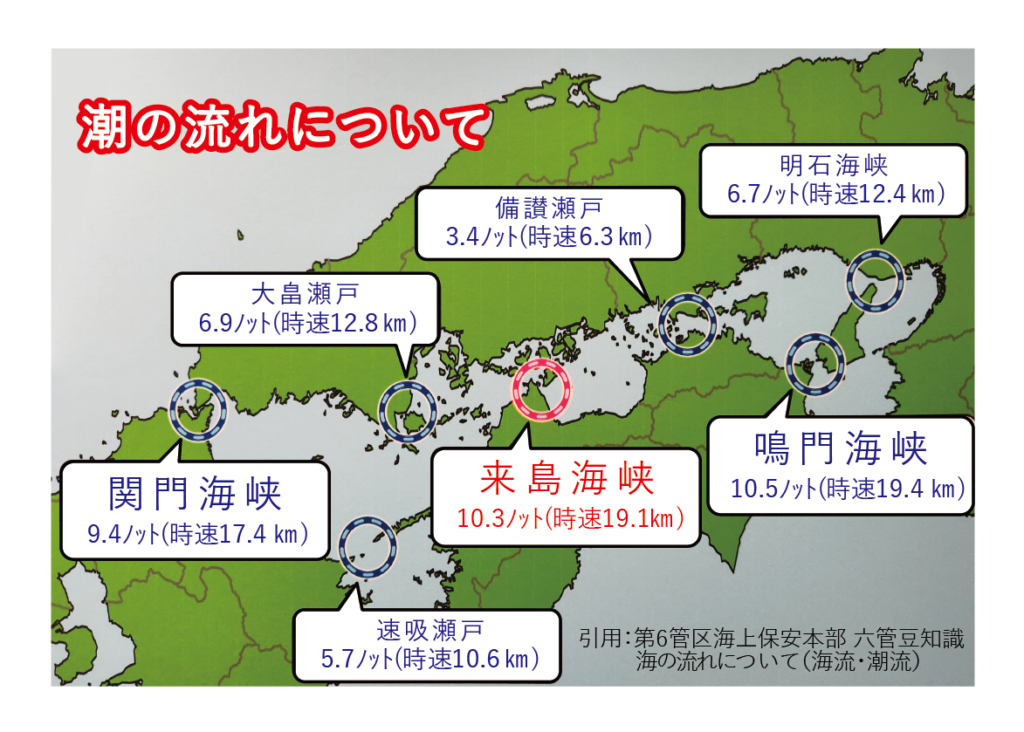
The Kurushima
Strait is known as one of Japan's "three major tidal currents."
The waterway is narrow and winding, the currents are extremely fast, and the location of whirlpools changes with the ebb and flow of the tide.
In such a treacherous stretch of sea as the Kurushima Strait, advanced navigation skills are required to safely operate ships.
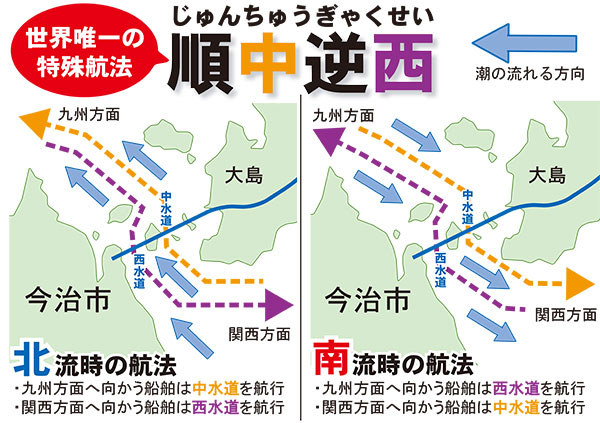
the tide
worldwide, the Kurushima Strait has a special navigation rule called "forward-to-westward navigation."
When the tidal current is in the same direction as the ship's travel, it must use the central channel; when it is in the opposite direction, it must use the western channel.
This switching method is adopted to ensure safe navigation in the Kurushima Strait, where the tidal currents are extremely fast and complex, and it is a unique rule found only in the Kurushima Strait.
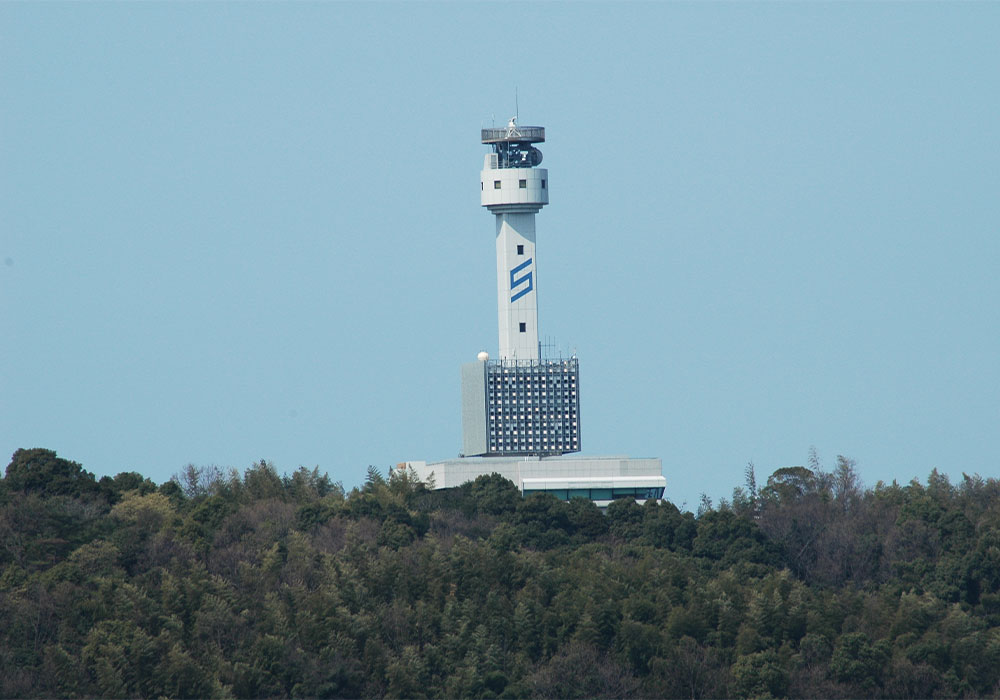
The Kurushima Strait Maritime Traffic Center
is one of seven maritime traffic centers established by the Japan Coast Guard throughout Japan. The Kurushima Strait Maritime Traffic Center is located in Imabari City.
The center constantly monitors the position of vessels navigating the Kurushima Strait and ensures the safety of maritime traffic by issuing recommendations and directing special navigation procedures as needed.
Learning about Japanese maritime affairs in Imabari
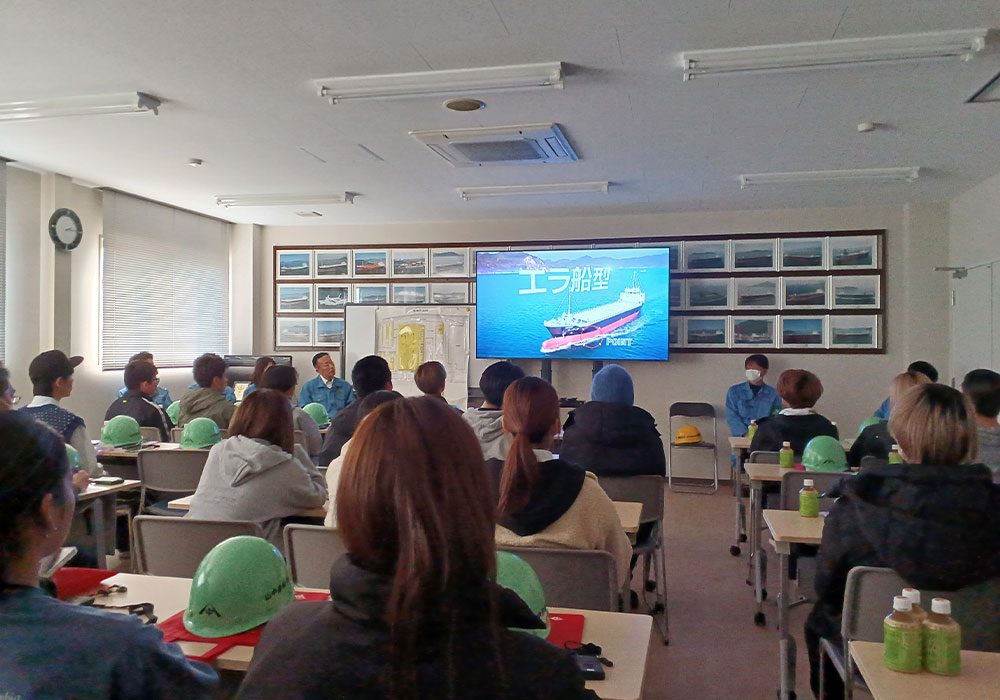
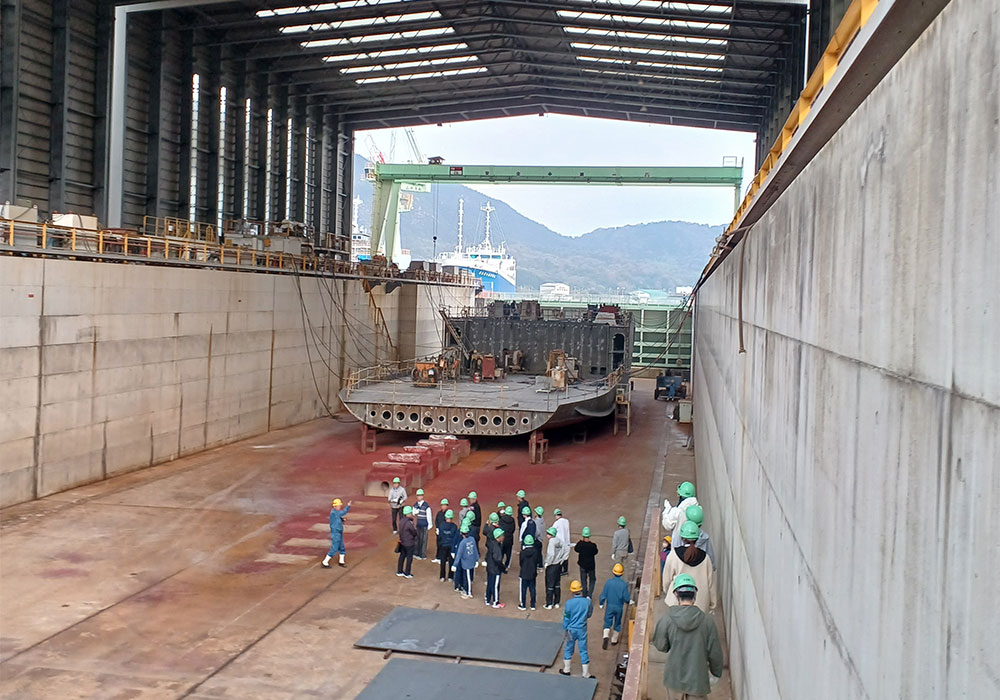
Schedule proposal
[Tour Overview] This
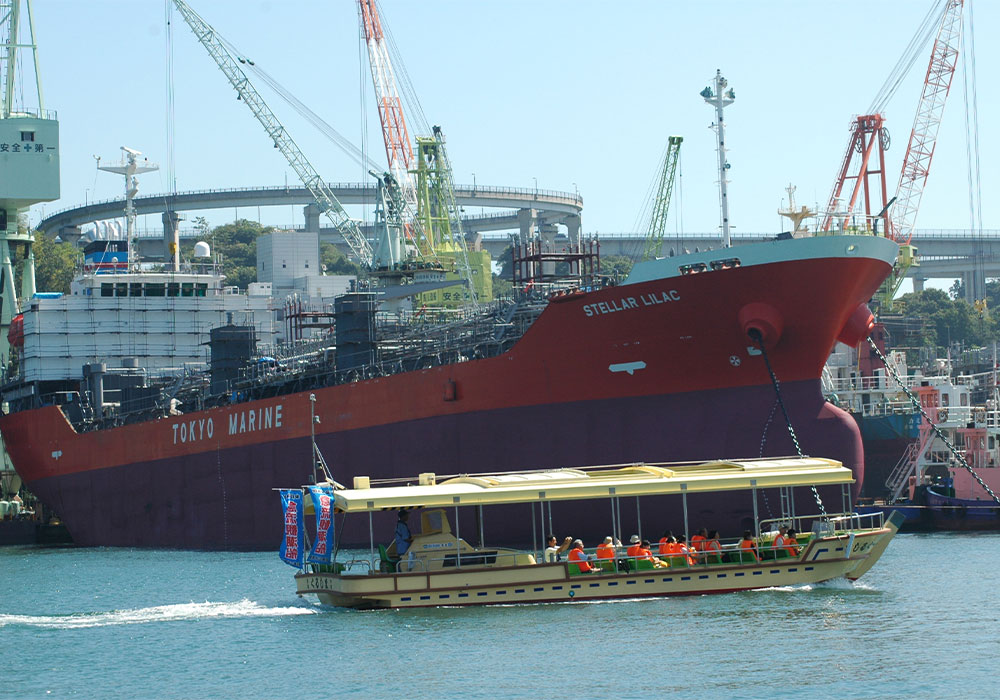
tour includes a visit to a shipyard that supports Japan's logistics, and a cruise on the Shimanami Kurushima Strait, offering a rare opportunity to see the shipyard from the sea and experience the Kurushima Strait from a unique perspective.
Lecture (video, company introduction, shipbuilding process): 15 minutes / Factory tour: approx. 60 minutes / Q&A: approx. 15 minutes
Introduction video of Imabari, a maritime city: approximately 15 minutes / Kurushima Strait sightseeing boat: approximately 50 minutes.
If you're lucky, you can also witness the ship launching ceremony from the ship.
[Reference price]
Shipyard tour and Shimanami Kurushima Kaikyo sightseeing boat set fee (per person)
| Adults (18 years and over) | 3,000 yen |
|---|---|
| Junior high and high school students | 2,800 yen |
*Prices shown include tax.
*Reservations are accepted for groups of 10 or more.
*The above schedule is negotiable.
*The above prices are for reference only and may vary depending on the content.
[Notes]
- The order of the model itineraries can be rearranged and changed
- The model course will take you to one of the shipyards in Imabari City
- Shipyard and maritime industry facilities capacity: 40 people each
- Shipyards and maritime industry facilities are not open for tours on Saturdays, Sundays, or public holidays
- For both shipyards and maritime industry facilities, we ask that you make your reservations at least one month in advance
- There are some dangerous areas within the shipyard premises, so please follow the instructions of the shipyard staff
- Photography and videography are prohibited in shipyards and maritime industry facilities
- Gloves and helmets will be provided at the shipyard. Please wear them while inside the shipyard
- Regarding clothing at the shipyard, please refrain from wearing sandals, high heels, or revealing skin
- We primarily accept educational trips (school trips, field trips, etc.)