

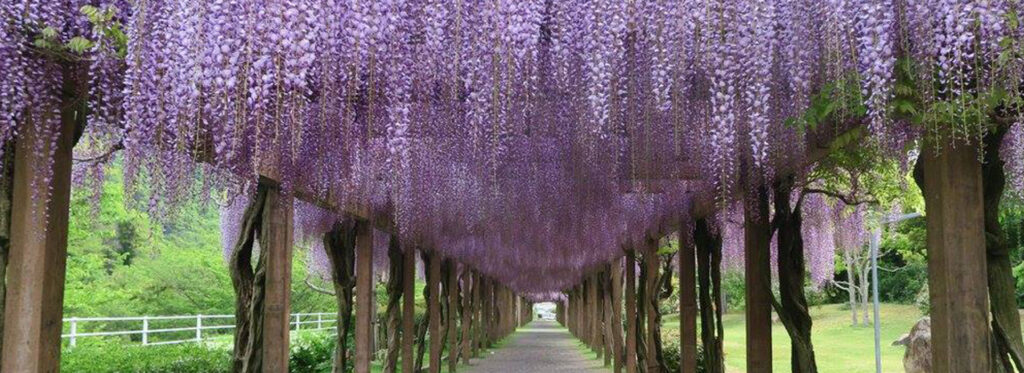
OMISHIMA
Omishima Tourist Information
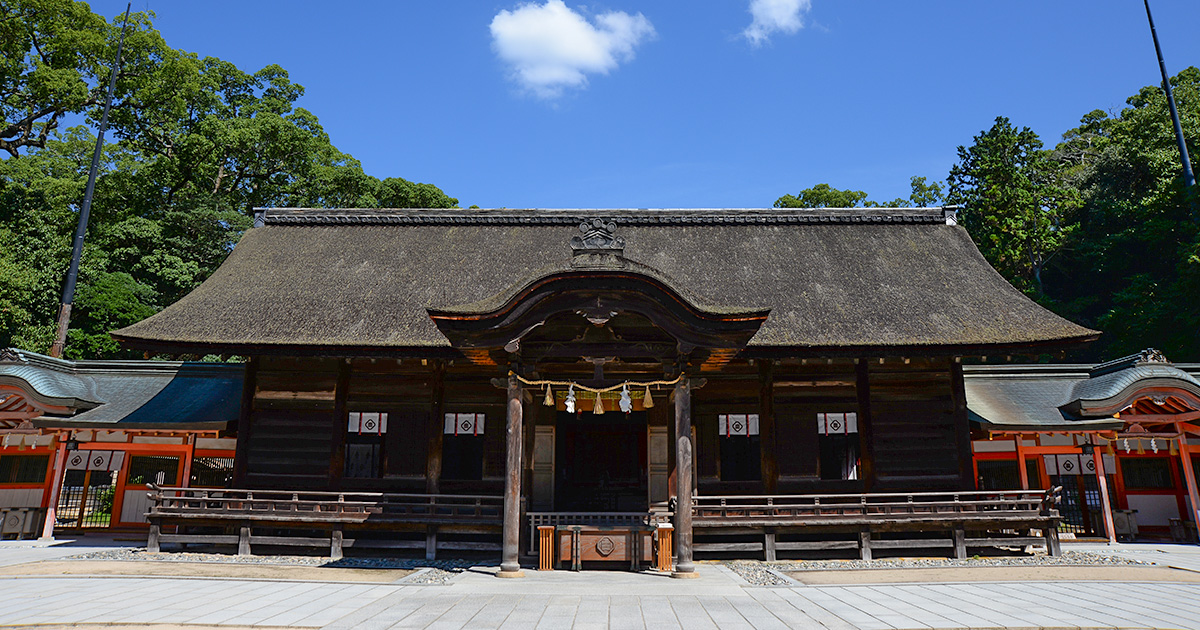
Oyamazumi Shrine
Oyamazumi Shrine is located in Miyaura, Omishima-cho, Imabari City, Ehime Prefecture. Shikiuchisha, Ichinomiya, Iyo Province. The former shrine rank was Kokusai Taisha Shrine, and is now Beppuomono Shrine, the shrine headquarters. It is also known as the main guardian of Japan. It is the head office of shrines that worship Oyamasuzugami, which are located all over the country. It is said that Ochi Mikoto, a descendant of Oyama Sugimi, who had moved to Shikoku before Emperor Jimmu's east campaign, enshrined and sought the ceremony to Omishima.
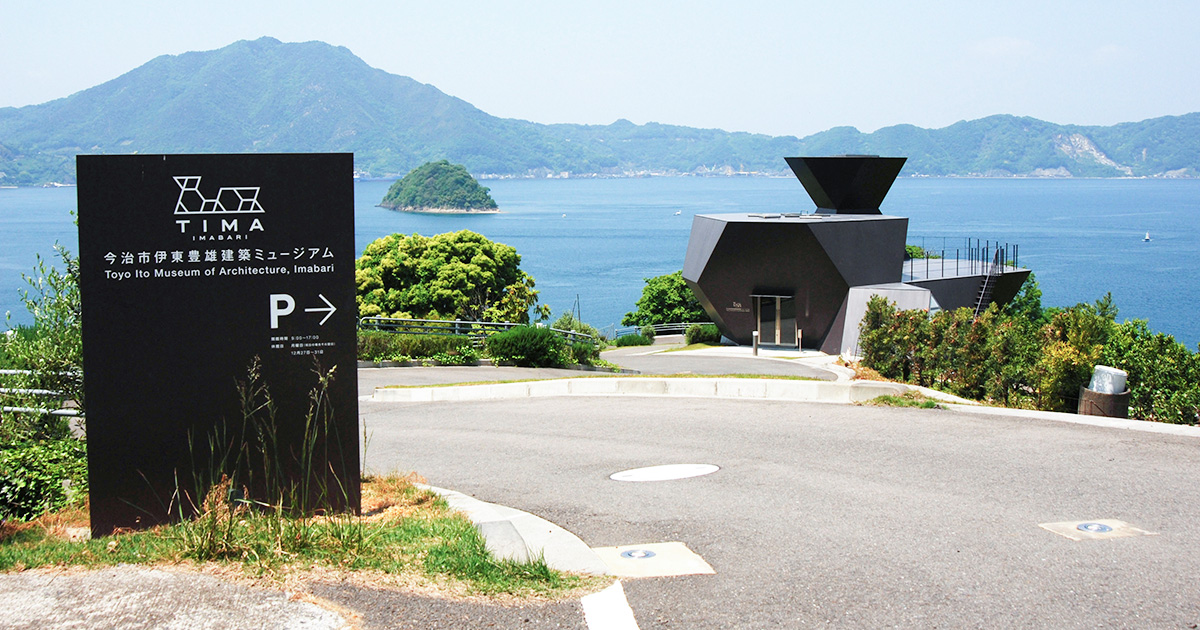
Ito Toyoo Architectural Museum, Imabari City
This is Japan's first architectural museum showcasing the work of Toyo Ito, who has won numerous awards and attracted attention from around the world.
The museum consists of two buildings, the Steel Hat and the Silver Hat, both designed by Ito, making the facility itself a work of art.
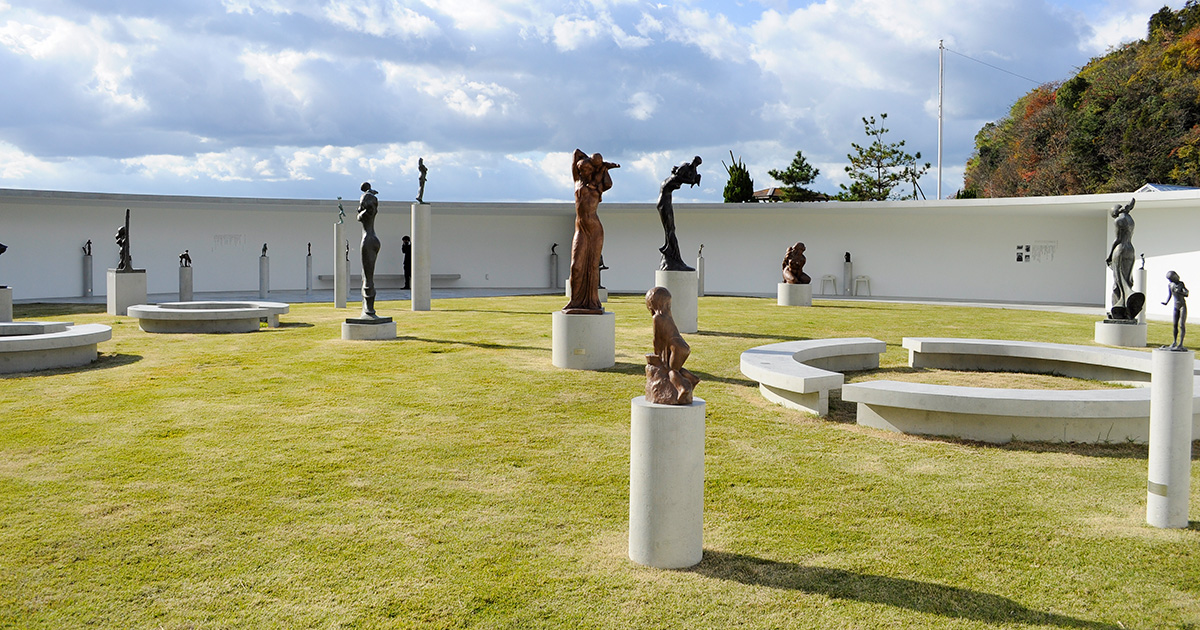
Iwata Ken's Mother and Child Museum
Imabari City's Iwata Ken's Mother and Child Museum displays the works of Iwata Ken, who is known for his warm style, mainly focusing on "Mother and Child." The exhibition hall is a semi-outdoor space with several benches, allowing you to enjoy the sculptures slowly while feeling the sunlight and wind of the Seto Inland Sea.
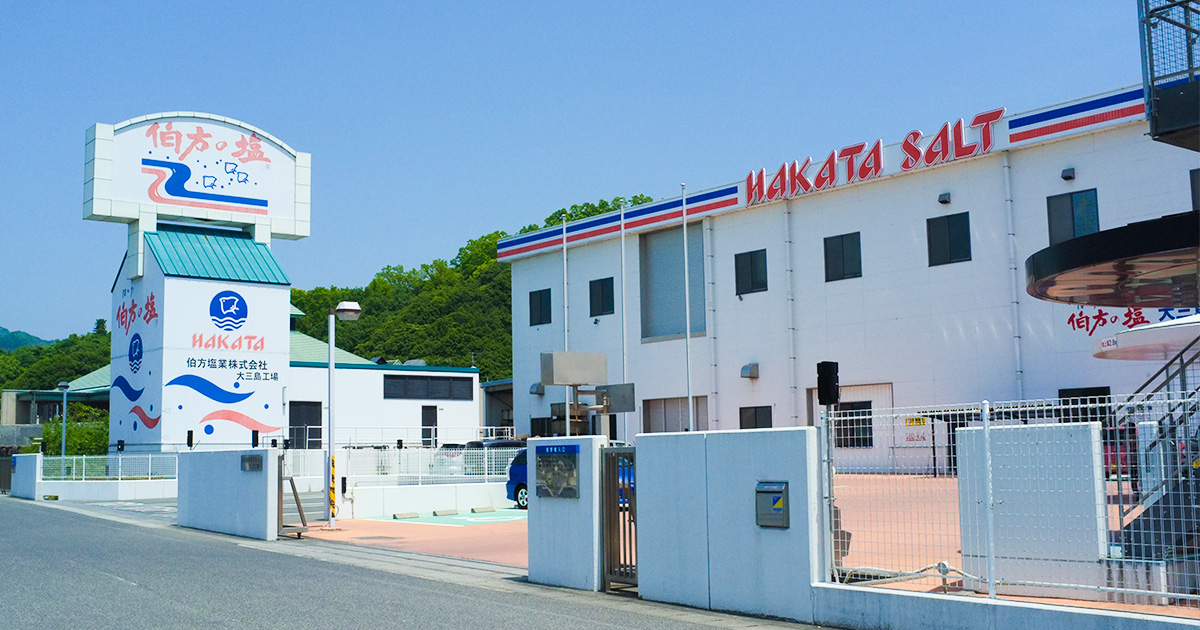
Hakata Shio Industry Omishima Factory
(See the Hakata Salt Factory)
This is the manufacturing factory for Hakata Salt. There is a viewing passage inside the factory, where you can watch the imported sun sea salt dissolved in Japanese seawater to remove dirt, dry and pack it. In addition to a large number of salt products, the shop sells products made with Hakata salt and factory-only products. This facility allows you to learn about salt.
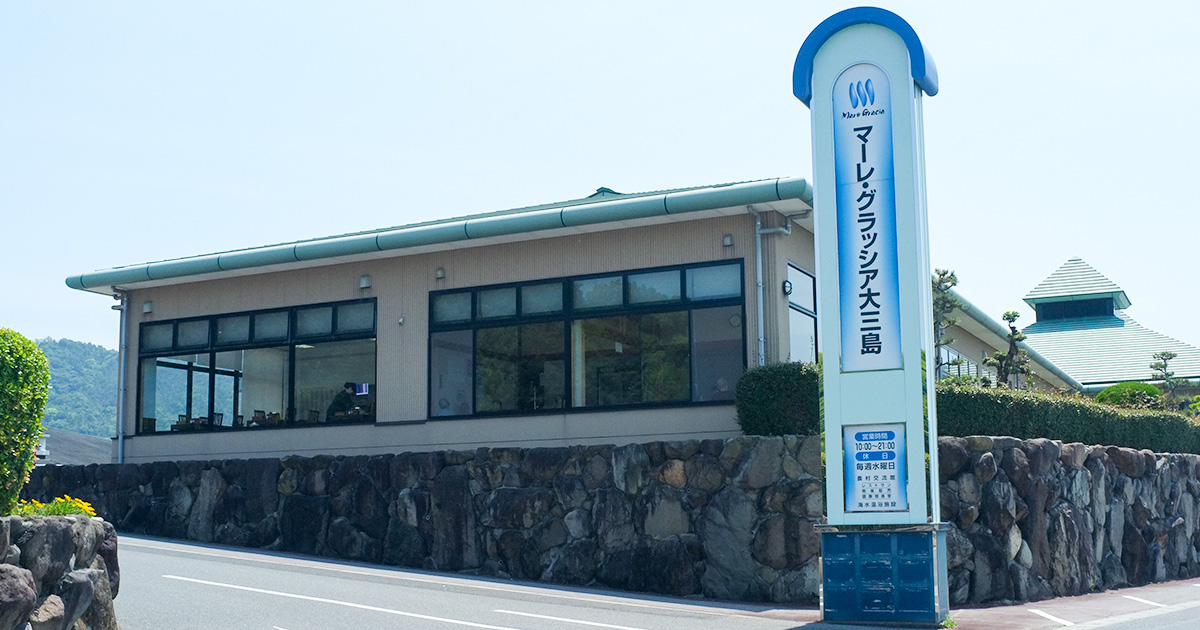
Mare Grascia Omishima
This is a multi-faceted relaxation facility that incorporates the principles of thalassotherapy (marine therapy), which combines seawater, seaweed, and marine climate, with the aim of healing the mind and body and boosting vitality, allowing you to fully enjoy the blessings of the beautiful sea with your mind and body. The unique
seawater bath allows you to absorb the blessings of the sea, such as calcium and magnesium, into your body, and the sunset viewed from the open-air bath is pure bliss.
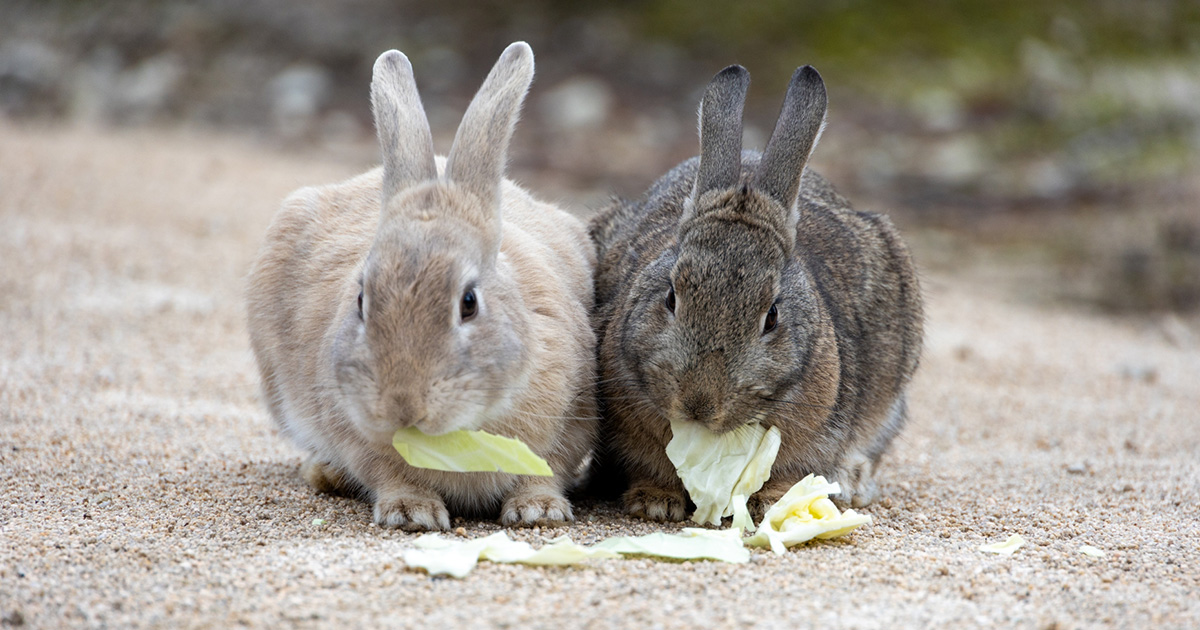
Okunojima (Hiroshima Prefecture)
Okunoshima is a small island with a circumference of 4.3 km floating in the Seto Inland Sea, designated as a national park.
Known as "Rabbit Island" due to its large rabbit population, it attracts many tourists from both Japan and abroad.
The island offers various facilities, including Kyukamura Okunoshima (a resort village offering accommodations, hot springs, and local cuisine), a poison gas museum, and the Okunoshima Visitor Center. Kyukamura Okunoshima also offers camping, cycling, tennis, and fishing, and in the summer, a swimming beach and outdoor pool open.
It's an island where you can relax and unwind amidst the beautiful nature of the Seto Inland Sea, surrounded by rabbits.
Regular ferries operate from Sakari Port on Omishima Island.
*Vehicles are not permitted on Okunoshima Island.

INOUE ICHIGOEN OMISHIMA
(Inoue Ichigoen)
Oyamazumi Shrine is located in Miyaura, Omishima-cho, Imabari City, Ehime Prefecture. Shikiuchisha, Ichinomiya, Iyo Province. The former shrine rank was Kokusai Taisha Shrine, and is now Beppuomono Shrine, the shrine headquarters. It is also known as the main guardian of Japan. It is the head office of shrines that worship Oyamasuzugami, which are located all over the country. It is said that Ochi Mikoto, a descendant of Oyama Sugimi, who had moved to Shikoku before Emperor Jimmu's east campaign, enshrined and sought the ceremony to Omishima.
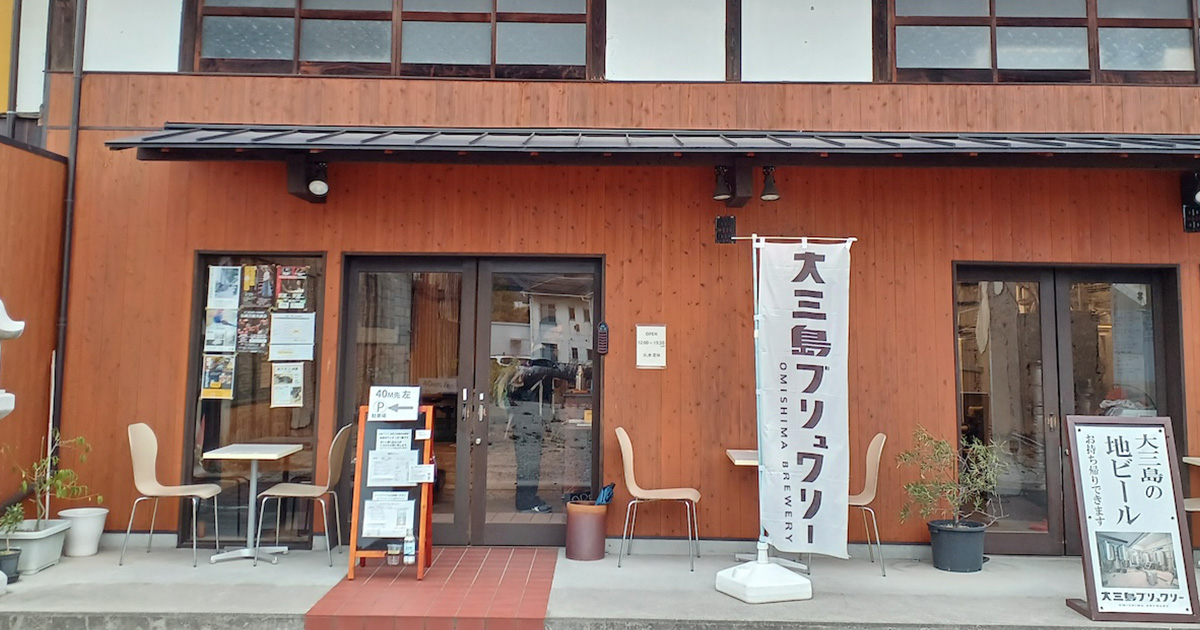
Omishima Brewery
Located on Omishima Island, in the heart of the Shimanami Kaido, this craft beer brewery is run by a husband and wife.
Based on the concept of wanting customers to enjoy their beer along with memories of their stay on Omishima, they produce fruity beers using citrus fruits, a specialty of Omishima, as well as well-balanced beers that you'll want to drink glass after glass of.
They do not offer online sales, but you can purchase their beer for takeout.
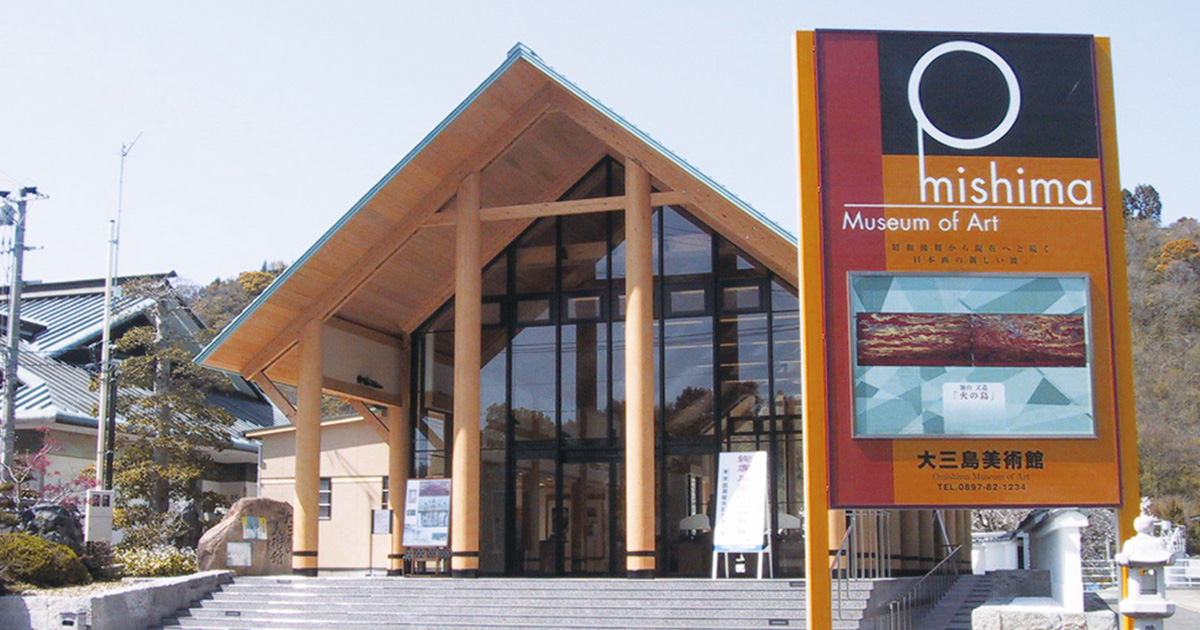
Omishima Museum of Art
Located next to the Oyamazumi Shrine, the museum's collection largely consists of works by artists born after 1940.
In addition to showcasing this collection, the museum also holds special exhibitions that leverage its connections with the artists.
Visitors can appreciate the beautiful evolution of Japanese painting from the late Showa period to the present day.
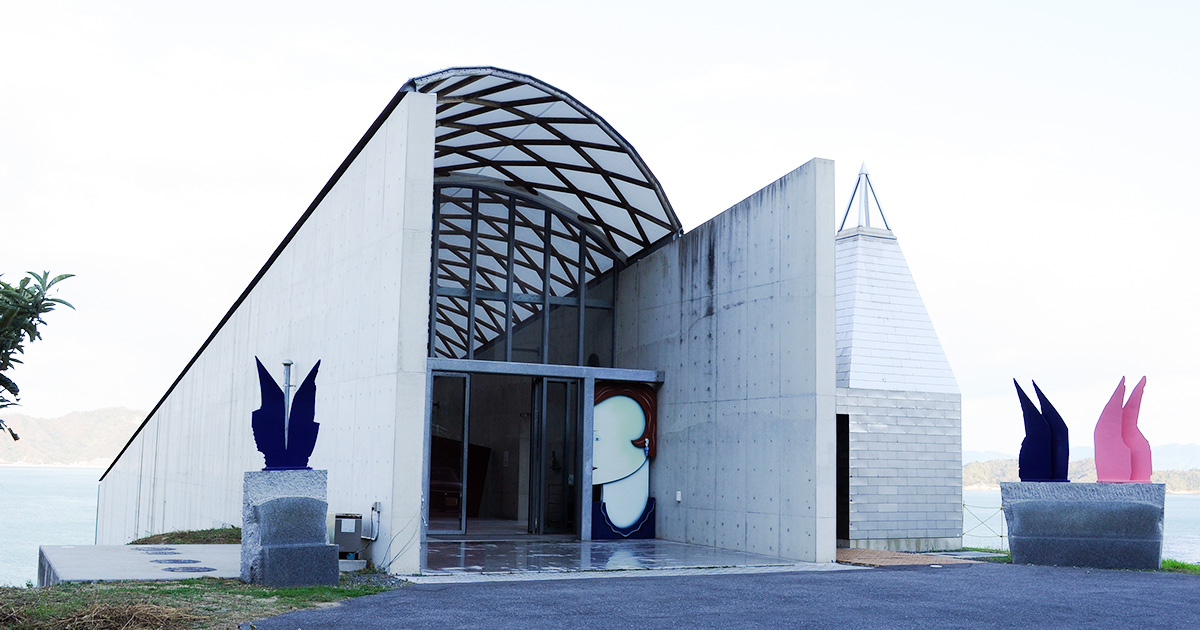
Tokoro Museum Omishima
This museum is a contemporary art museum designed with the image of Noah's Ark washed ashore on the summit of Ararat on a high ground overlooking the calm seas of the Seto Inland Sea. To go through the museum, you can go to the promenade and experience the scenery of the Seto Inland Sea before entering the next room. This museum is a unique museum where you can enjoy the scenery of the Seto Inland Sea and contemporary art together, and changes depending on the season and weather.
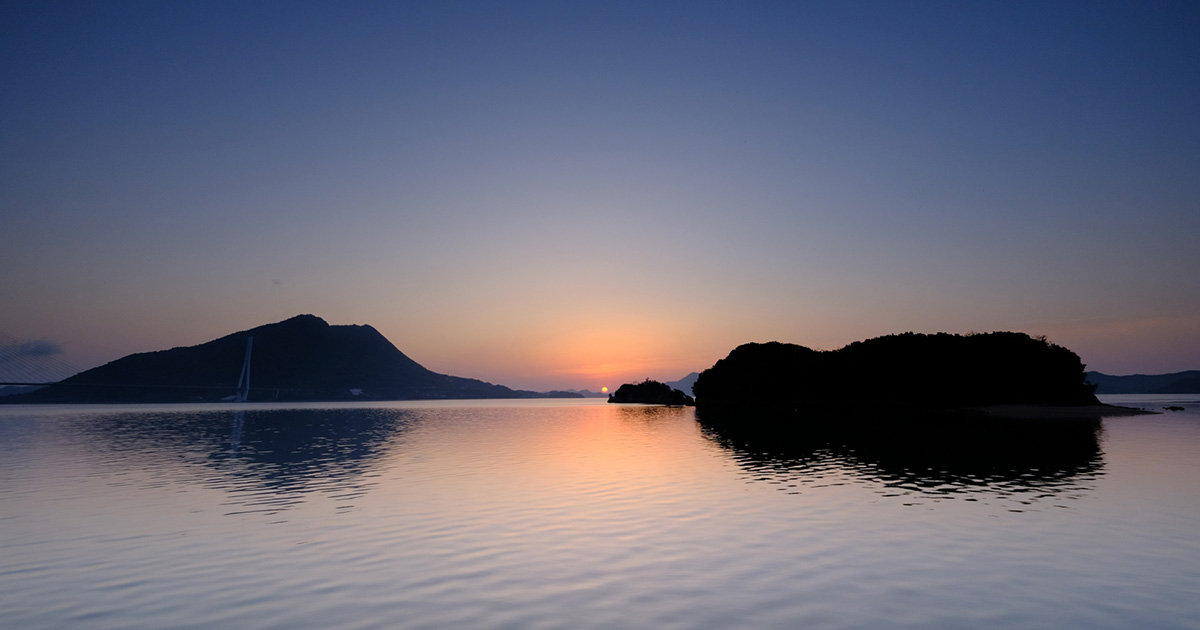
Amazaki Castle Ruins
Designated as a historical site by Ehime Prefecture, it is considered a typical example of a sea castle used by pirates based on small islands along sea routes.
In the late Sengoku period, it became the residence of Murakami Yoshitsugu, a senior retainer of the Kurushima Murakami clan.
At the castle site, there are remnants of straight stone walls, ranging in size from large to small, stretching approximately 30 meters, that exist on the seabed.
Also, during the spring and autumn tides, a "sea parting phenomenon" occurs, connecting the castle to the opposite shore by a sandbar, offering the chance to walk across to the Amazaki Castle ruins, located about 160 meters offshore.
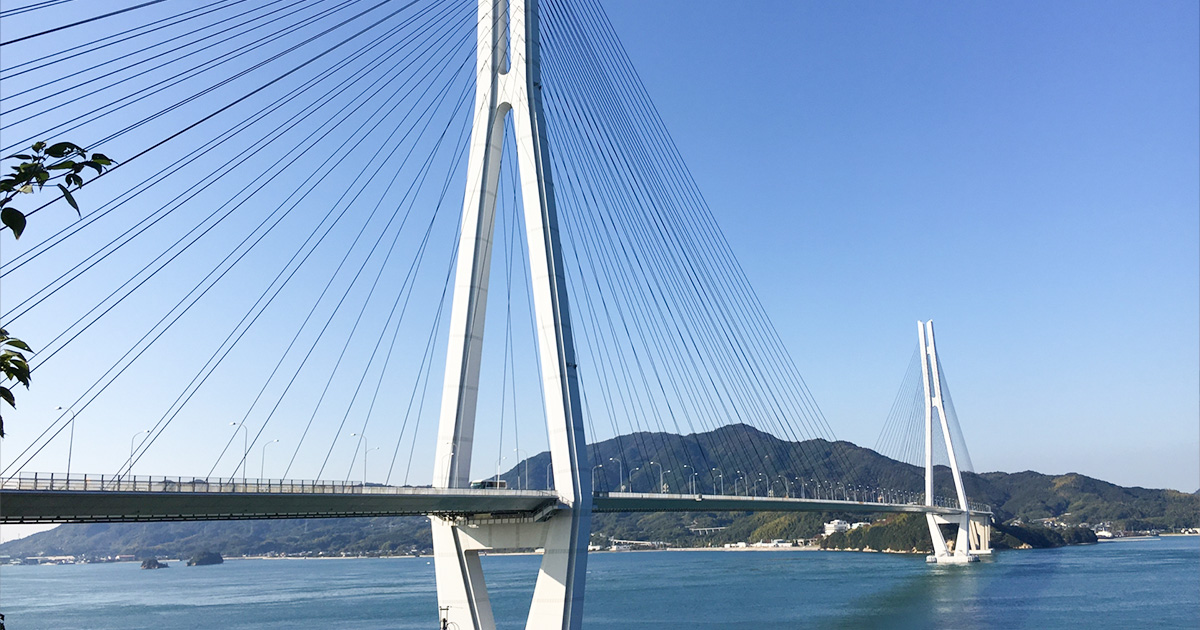
Tatara Ohashi Bridge
The Tatara Bridge is Japan's longest cable-stayed bridge, connecting Ikuchijima Island in Hiroshima Prefecture and Omishima Island in Ehime Prefecture. At 1,480 meters long and 48 meters above sea level, it's the longest cable-stayed bridge in Japan. The Tatara Bridge has a dedicated pedestrian and bicycle path, allowing pedestrians, cyclists, mopeds, and motorcycles under 125cc to cross. Numerous cables supporting the bridge deck from massive white towers ensure a flat road surface. The minimal inclines and declines make cycling easy, making it ideal for beginner cyclists.
The Tatara Bridge also marks the border between Hiroshima and Ehime prefectures, and on the pedestrian walkway beneath the main towers, you can experience the "Tatara Crying Dragon." Striking wooden clappers beneath the towers creates a sound that echoes into the sky.
This experience is only available on the dedicated pedestrian and bicycle path!